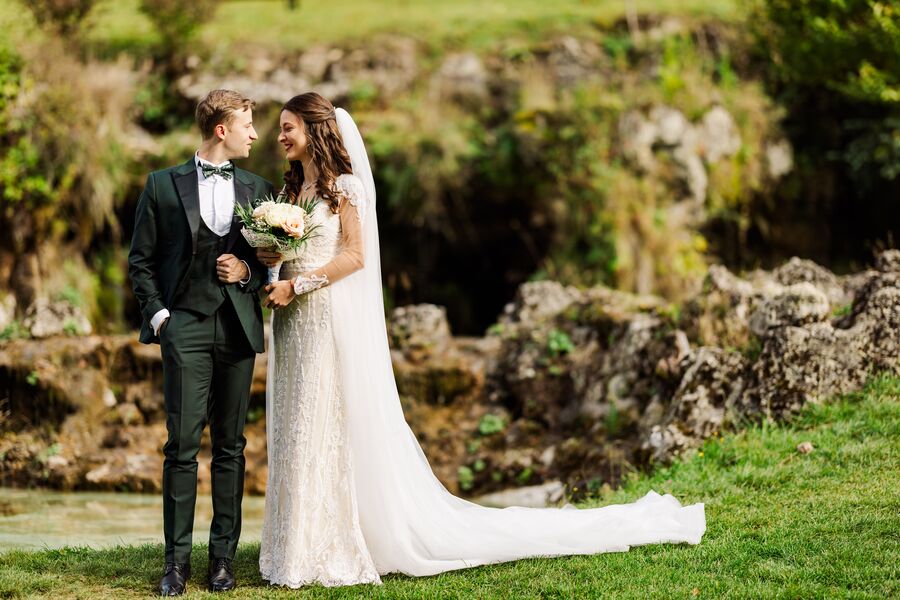
The year 2027 marks a definitive turning point in the world of wedding design. Long considered an alternative concept or simply a rustic "theme," the Green Wedding is now establishing itself as the standard of excellence and refinement. Newlyweds, overwhelmingly from Generation Z, and the most influential wedding planners are no longer just looking to design a beautiful event: they want a An intentional, immersive celebration with a controlled environmental impact..
In this article, the Francebus Wedding team has deciphered this major trend of 2027 for you. From the redefinition of organic luxury to the choice of committed service providers, via the logistical revolution of group transport, discover how to orchestrate the perfect eco-responsible wedding, and why we are establishing ourselves as the essential partner for this aesthetic and ethical transition.
I. The Green Wedding trend in 2027: Anatomy of a new standard
1. The philosophy: from punitive ecology to organic minimalism
By 2027, the eco-friendly wedding has definitively shed its old clichés. Gone are the days when "green wedding" meant a mandatory rustic aesthetic, rough burlap, and compromises on comfort. Today, the trend has evolved into what designers call the organic minimalism or ethical luxury.
This philosophy is based on a simple principle: celebrate love without leaving a negative impact on the nature that hosts the event. Couples no longer want fleeting and destructive extravagance (plastic structures discarded after 6 hours of partying, flowers imported by plane and treated with pesticides, tons of food wasted). They are looking for...’authenticity, sustainability and a deep connection with the elements. Luxury is no longer measured by the quantity of accumulated embellishments, but by the quality, origin, and history of each chosen detail.
2. The aesthetic codes of 2027: "Less but better" and color draining
Visually, the Green Wedding stands out with its very assertive artistic directions, driven by an architectural and sensory sensibility:
- Foliage-led design: Traditional floral arrangements, dense and compact, are giving way to... aerial plant structures, wild grasses, and displays of textured foliage (sage, olive, moss, branches of local trees). We seek to recreate natural movements, as if the vegetation had invited itself into the reception room.
- Vibrant and earthy color palettes: While sage green and ivory remain timeless classics, 2027 sees the emergence of Spring Green (a brighter and more cheerful spring green), associated with terracotta shades (terracotta), apricot, dusty lilac or dusty blue.
- Color Draining: This scenography technique consists of saturate a space by using only one shade. (for example, a moss green or a linen beige) on all the textures of the room, from tablecloths to candles, including seating and suspended structures, creating an enveloping and decidedly editorial visual effect.
- Raw and refined textures: Washed linen, imperfect handcrafted ceramics, wood patinated by time, stone and soft metals (aged silver, brushed brass) replace synthetic materials and ultra-glossy finishes.
3. The enthusiasm of wedding planners
For wedding professionals, the Green Wedding is no longer a regulatory constraint or a marginal demand: it's a major driver of innovation. Wedding planners favor this approach because it allows them to design highly personalized weddings, far removed from the standardized social media norms of past years.
By designing sustainable weddings, planners work hand in hand with local artisans, antique dealers and independent producers. This gives rise to unique narrative scenographies, where each object has a soul. Furthermore, waste management and transport optimization are now integral to the success indicators of a high-end planning agency in 2027.
II. 3 Exceptional eco-responsible places in France
Choosing the venue is the crucial starting point for any green wedding. In France, several exceptional estates have undergone a remarkable transformation, blending historical prestige with strict environmental commitments. Here are three that are particularly captivating couples and planners this year.
1. The Château de Champ-Renard (Beaujolais): The alliance of history and upcycling 
Located in Blacé, in the heart of Beaujolais hills (Just 35 minutes from Lyon), the Château de Champ-Renard is the perfect example of a historic estate consciously embracing the 21st century. This exceptional venue offers a total privatization of its medieval estate and centuries-old park, while placing sustainable development at the center of its operational management.
The château strictly prohibits single-use plastics (no plastic bottles or aluminum capsules, replaced by cut-glass carafes and traditional coffee makers). The furniture in the reception rooms and main halls has been largely sourced, restored and enhanced by local artisans in a spirit of upcycling (Upcycling) high-end. Mismatched vintage tableware brings a crazy charm to table settings, fitting perfectly into the current aesthetic trend.
Finally, the estate produces its own eco-responsible and vegan wines, grown on a vineyard in full biodiversity, which the newlyweds can offer to their guests.
📍 Address: Route de Berne, Corner of the old boarding school street, 69460 Blacé
💶 Price: Price upon request
Visit the Château Champ-Renard website
2. Domaine de Valbonne (Provence): Sustainable refinement under the olive trees 
Nestled in the heart of Provence, the Domaine de Valbonne is a 16th century bastide who perfectly embodies the Mediterranean organic minimalism. Surrounded by hectares of preserved forests, lavender fields and centuries-old olive trees, this place has designed a comprehensive eco-responsible charter to reduce the carbon footprint of each union without ever compromising on standards.
Here, energy is largely clean, water management (a precious resource in the South of France) is drastically optimized, and the estate mandates strict recycling and composting of organic waste from receptions. Secular ceremonies unfold organically beneath the canopy of trees, bathed in the golden light of Provence, thus minimizing the need for artificial structures and energy-intensive lighting during the day. It's the ideal setting for a wedding focused on nature, authenticity and taking time.
📍 Address: 2094 Chemin de Gavanon, 30130 Saint-Paulet-de-Caisson Occitanie, Provence
💶 Price: Price upon request
Visit the Domaine de Valbonne website
3. Domaine du Plessis (Near Paris): An accessible green lung 
For Parisian or international couples wishing to limit long-haul flights and excessive travel for their guests, Domaine du Plessis stands out as a remarkably effective solution. Located just a few kilometers north of Paris and in close proximity to Charles de Gaulle Airport, this country estate offers a a bubble of total disconnection in the heart of the countryside.
The estate has a Superb old building with charm, measuring 160 m² opening onto a vast terrace covered by an elegant stretch tent (of the Saharan type), a structure acclaimed in 2027 for its nomadic and environmentally friendly nature. Domaine du Plessis collaborates exclusively with networks of committed caterers providing buffets and dinners prepared using fresh, organic and strictly local produce. The great advantage of this location lies in its logistical centrality: it allows guests from different backgrounds to be brought together while minimizing complex and polluting road transfers.
📍 Address: 4 Rue du Moulin, 95270 Le Plessis-Luzarches
💶 Price: Price upon request
Visit the Domaine de Plessis website
III. Eco-responsible service providers: The wedding day ecosystem
For a Green Wedding to be truly cohesive, every link in the supply chain must share the same environmental awareness. By 2027, the market has become more structured and offers alternatives of exceptional technical and gustatory quality.
1. The eco-responsible caterer: Circular gastronomy and ultra-short supply chains
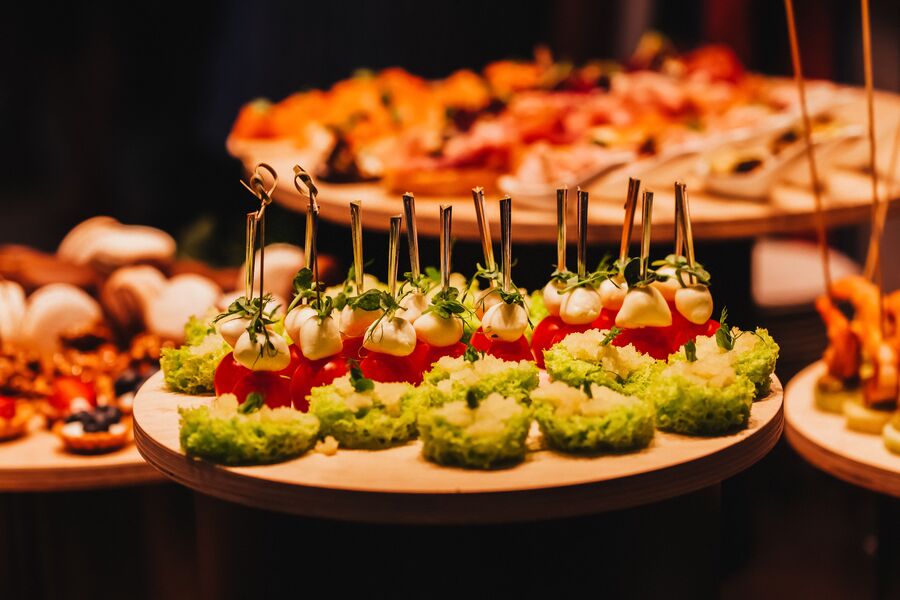
The wedding meal often represents one of the largest expenses, but also one of the most environmentally impactful. Caterers certified as "eco-responsible" or "green" by 2027 are shaking up the conventions of traditional banquets:
- The "Seasonal and Local" menu:No more fish from distant seas or strawberries in the middle of May. Menus are based on the cycles of nature and source ingredients within a 50- to 100-kilometer radius of the venue. The chefs showcase local produce, forgotten vegetables, and meats or plant-based alternatives from organic or sustainable farming.
- The rise of plant-based products: By 2027, a vegetarian or predominantly vegetarian wedding menu will no longer be an exception for "specific guests"; it will be a bold and popular gastronomic choice. Catering chefs will compete to offer the most creative options. memorable textures and flavors (culinary scenographies around roasted vegetables, wild herb emulsions, aged faux-mages).
- The fight against waste and the management of leftovers: Portions are calculated as accurately as possible using precise estimation systems. Eco-responsible caterers establish partnerships with local associations to redistribute any leftover food not served to guests, or provide returnable and compostable containers so guests can take leftovers home for brunch the next day..
- Interactive booths and seamless dining: Rather than the traditional four-hour sit-down dinner, the focus is on mobile conviviality: local oyster bars, counters carving seasonal vegetables over charcoal, and upscale street-food stalls (savory pancakes, artisanal mozzarella bars). This encourages movement, reduces the need for heavy tableware, and minimizes waste.
2. Decoration & Floristry: The triumph of the single bouquet and second-hand flowers
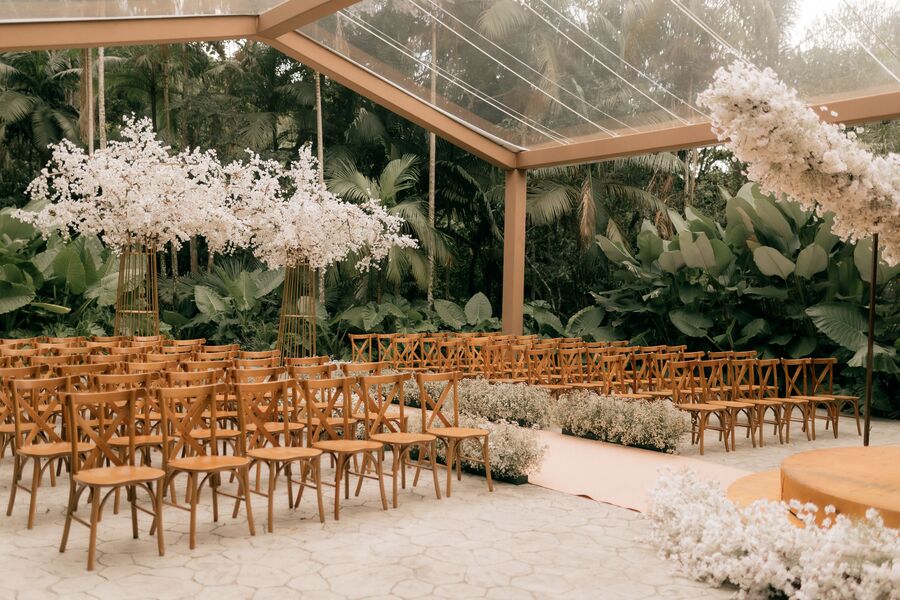
The design of a Green Wedding relies on intelligence and simplicity. The event floristry sector is undergoing its own revolution:
The floral revolution in 2027: The use of synthetic floral foam blocks (highly polluting and non-biodegradable) is now banned by eco-conscious artisans. Structures are made of glass, recycled brass, or reusable wire mesh.
- The single bouquet: This is THE major floral signature of the year. Rather than mixing dozens of imported varieties, designers are opting for massive compositions based on a single seasonal and local flower variety (for example, bunches of white ranunculus in spring or local dahlias in autumn), creating a clean, graphic and highly chic visual impact.
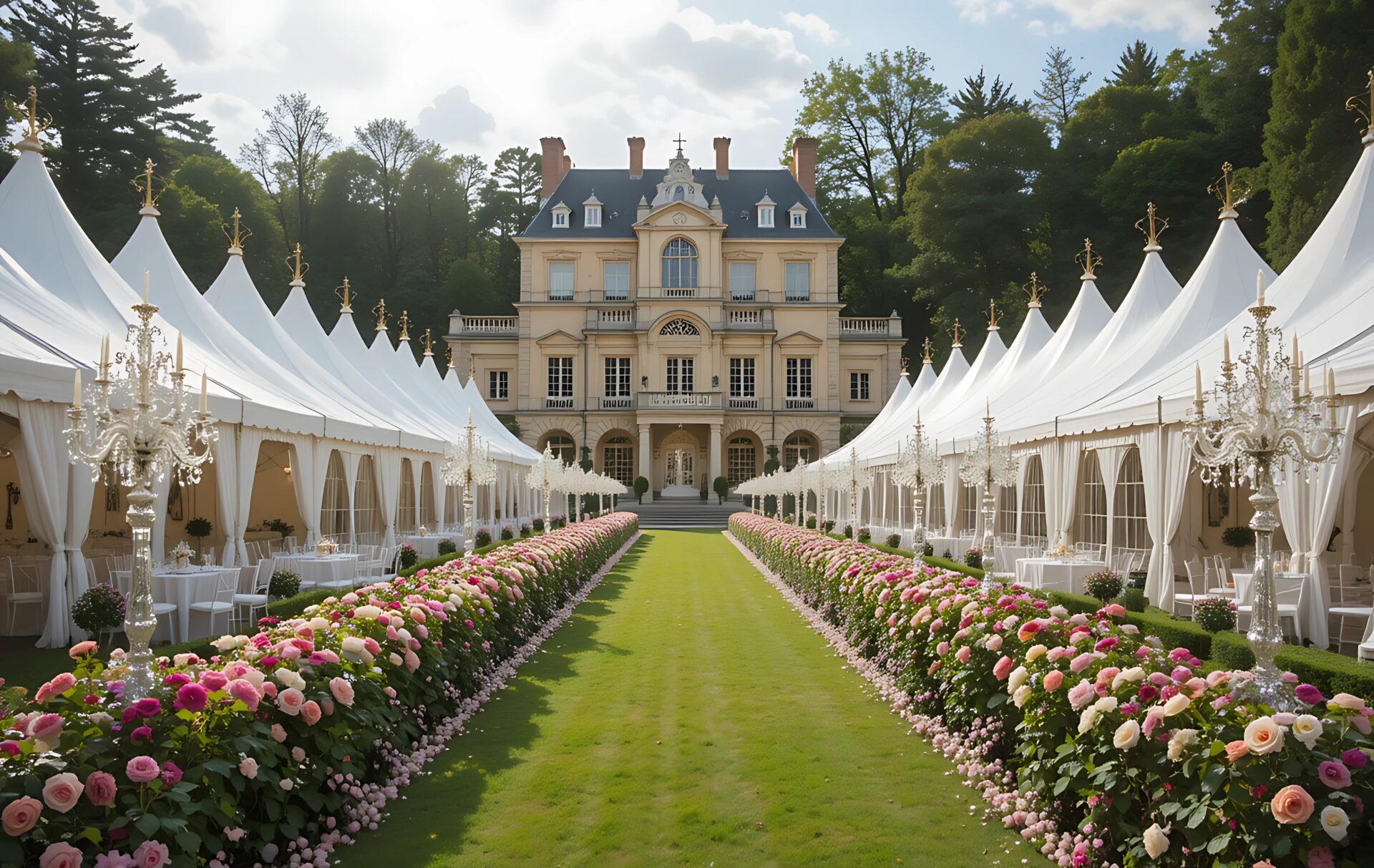
- The elevated ceremonial aisle: The traditional floral arch gives way to grounded arrangements that visually frame and elevate the ceremony aisle. These potted plants or locally sourced cut flowers are arranged so they can be easily moved after the ceremony to decorate the buffet or head table, thus maximizing the lifespan of the plants.
- China and "wedding clearance sales": For furniture and small decorative items (silver candelabras, vintage decanters, antique sheets used as textured tablecloths), wedding planners source their supplies from at flea markets or at trade shows specializing in the resale of wedding decorations between couples.. Buying new "made in China" decorations destined for the trash is prohibited.
3. Bridal fashion: Bio-based materials, ethical jewelry, and rentals
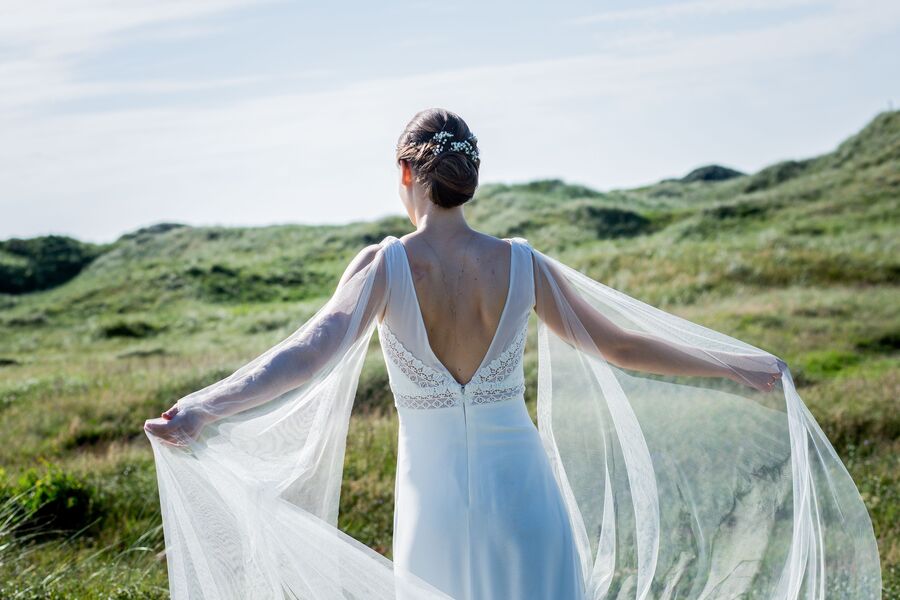
With the textile industry being one of the most polluting in the world, brides and grooms in 2027 are adapting their dress requirements:
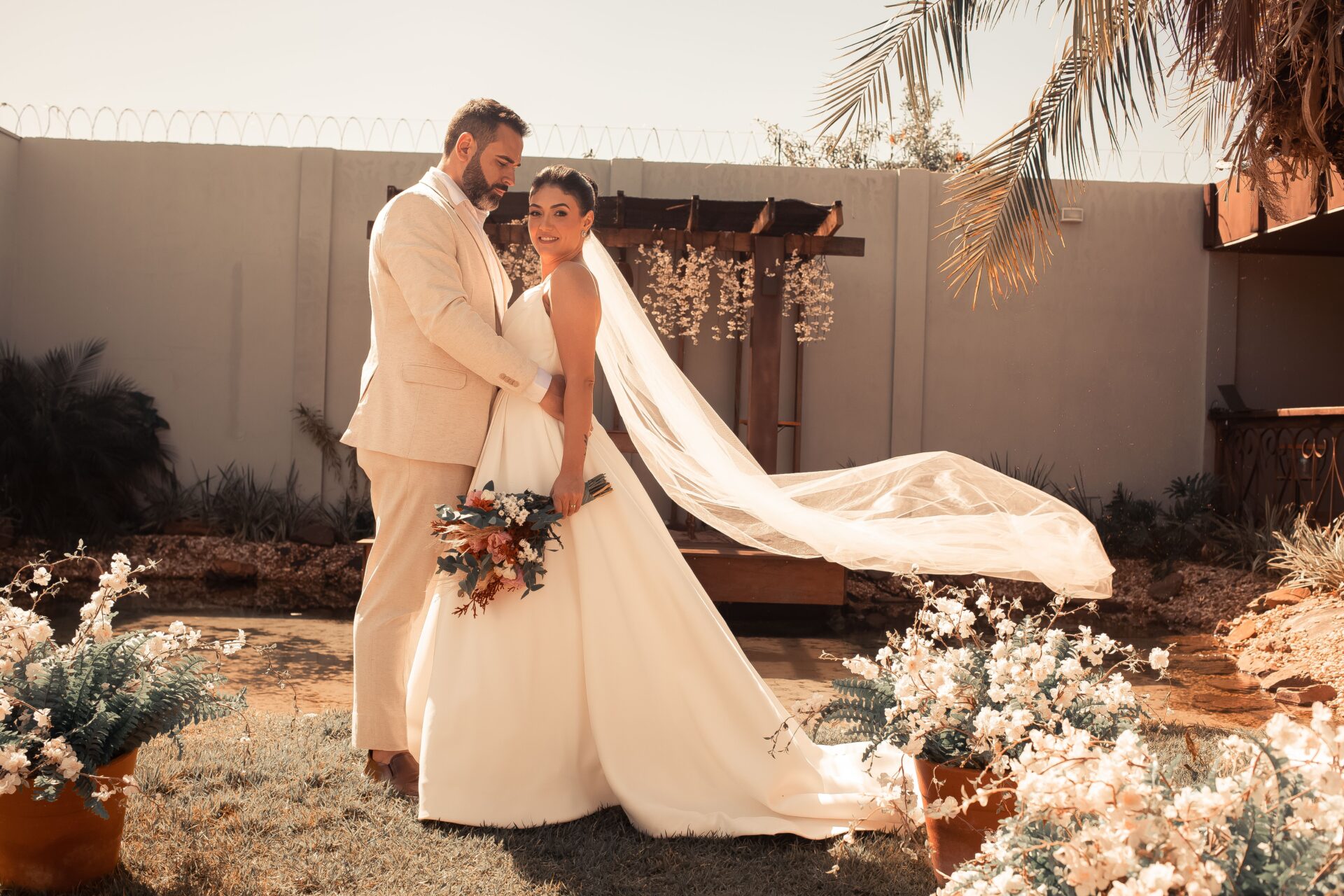
- Sustainable dresses and suits: Bridal fashion designers favor natural, certified, and bio-based materials: organic silk, fine linen, GOTS-certified cotton, and upcycled antique lace. Silhouettes are abandoning the fluid, outdated bohemian style for... more structured lines, modern bustiers in eco-designed satin and modular pieces (dresses with detachable sleeves or trains) intended to be worn again or transformed after the wedding day.
- Second-hand goods and luxury rentals: Second-hand platforms and haute couture dress rental services are experiencing unprecedented growth. Wearing a unique designer dress for a few hours before returning it has become an ultra-trendy and guilt-free gesture.
- Circular jewelry: For wedding bands and headpieces, the preference is for...’recycled gold and silver, as well as towards the raw or cultured gemstones (Laboratory-grown diamonds with a low energy footprint). Irregular shapes and raw textures celebrate the natural beauty of imperfection.
4. Stationery and souvenirs: Zero waste, vegetable-based ink, and authentic reportage
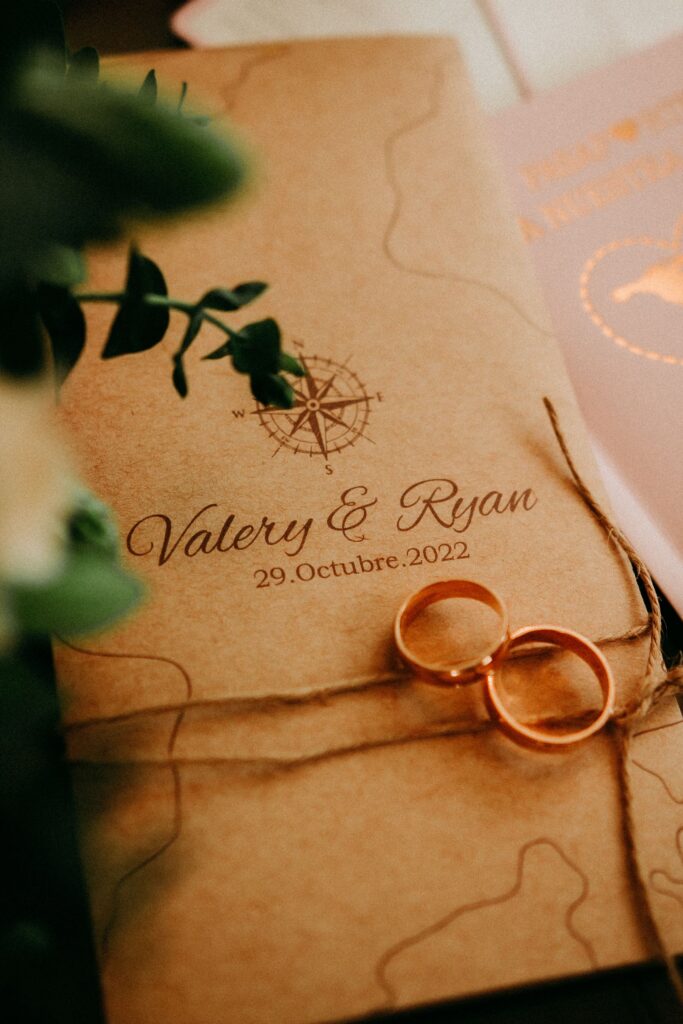
Even the invitations and captured memories reflect this logic of sustainability:
- Seeded or digital stationery: Physical announcements are becoming rare and precious. When they do exist, they are printed on... recycled paper or seed paper (containing wildflower seeds that guests can plant after reading) with biodegradable vegetable inks. Online wedding management platforms and graphic digital invitations handle the bulk of the information flow.
- Documentary and authentic photography: In line with the Green Wedding's quest for authenticity, the photographic style of 2027 abandons stiff, heavily retouched poses in favor of a "documentary" or "reportage" style. The aim is to to capture the essence of the moment, the genuine bursts of laughter, the raw emotions, sometimes using film or very poetic digital film renderings.
IV. The logistics revolution: The advantages of minivan and coach rental
If a couple chooses an eco-friendly venue, an organic caterer, and vintage decorations, a major problem often remains: guest transportation. When 150 guests travel individually in 60 or 70 personal vehicles to get from the town hall to the venue, and then to their respective accommodations, the wedding's carbon footprint skyrockets. This is where centralized logistics via the rental of high-end buses or minivans transforms the environmental impact and the overall wedding experience.
⭐ A drastic reduction in the overall carbon footprint: Road transport is the primary source of greenhouse gas emissions at any public event. By replacing a diverse fleet of private cars (often half-empty) with one or two state-of-the-art coaches, or a series of electric minivans for smaller groups, the carbon footprint associated with travel is dramatically reduced. This is the number one environmental argument for justifying the viability of a Green Wedding.
⭐ The safety, serenity and punctuality of the guests: Organizing a wedding involves managing a tight schedule. Guests getting late, lost on small country roads, desperately searching for a parking spot that can't be found, are a wedding planner's worst nightmare. With shared transportation:
- Punctuality is absolute: Everyone leaves at the same time and arrives at the same time for the start of the ceremony or cocktail hour.
- Road safety is guaranteed: After a festive and boozy evening, the question of the "sam" (the designated driver) is no longer an issue. The newlyweds have peace of mind knowing that all their loved ones will return safely to their hotel or guesthouse, taken care of by a qualified professional driver.
⭐ An immersive collective experience from the very first kilometers: The wedding no longer begins on the grounds of the venue, but as soon as guests board the bus or minivan. Shared transportation breaks the ice between guests who don't yet know each other (childhood friends, distant cousins, colleagues). Wedding planners take advantage of this travel time to create a memorable experience: streaming a personalized playlist chosen by the bride and groom, distributing a digital welcome booklet, or small eco-friendly touches on board. The journey becomes an integral part of the celebration.
V. Why choose Francebus Wedding as your transport partner for your Green Wedding?
To ensure your wedding logistics are both eco-friendly and sophisticated, choosing the right carrier is crucial. Our team has established itself as the ideal partner for couples and wedding planners, built on five fundamental pillars:
👉 A modern and eco-efficient fleet: Latest generation vehicles (Euro 6 standards, hybrid or electric options) which guarantee a drastic reduction in the overall carbon footprint of your event.
👉 Solutions for all group sizes: An ultra-comprehensive range from 7-seater minivan (ideal for brides and grooms and VIPs) at large tourist coach (up to more than 50 seats), allowing for optimized occupancy rates without any energy waste:
- Minivans (7 seats)
- Minibus (19 seats)
- Midibus (25-35 seats)
- Double-decker coaches
- Standard and extra-long coaches
- Luxury sedans
👉 The right-hand man of wedding planners: A single, dedicated contact person who optimizes your routes down to the kilometer, offering total flexibility to adjust schedules or vehicle size right up to the day of departure.
👉 Peace of mind and security 24/7: Customer service available at all times to handle unforeseen events in real time, combined with a highly secure booking and payment system.
👉 Excellent onboard service: Professional chauffeurs, impeccably presented and bilingual (on request), trained in the codes of luxury and event management to offer a warm welcome to your guests.
Choosing Francebus Wedding means to ensure :
✅ comfort
✅ reliability
✅ punctuality
✅ safety
✅ peace of mind
Don't hesitate any longer and travel with Francebus Wedding!
Request your free quote online.
Read more:
10 original ideas for transporting your guests: From champagne on board to the perfect playlist.